In an increasingly competitive talent market, hiring has become more complex than simply sourcing resumes. Organisations today face
Read more
Discover how The Staffing Hub stands out as a specialised staffing and recruitment company providing personalised, quality-driven talent solutions that help businesses build stronger, more reliable teams.
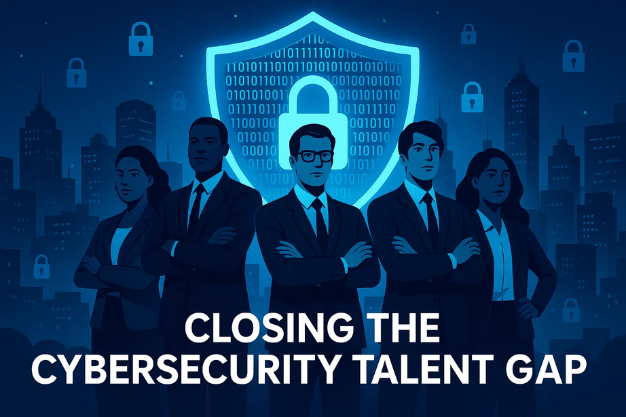
Across the United States, cybersecurity roles are among the hardest to fill. With rising threats from ransomware, phishing attacks, and cloud breaches, companies urgently need skilled defenders but demand far outpaces supply. For staffing agencies, HR leaders, and talent acquisition managers, traditional hiring channels simply aren’t enough anymore. To win the talent race, you’ll need to tap into untapped talent pools and use creative sourcing approaches that connect with candidates before competitors do.
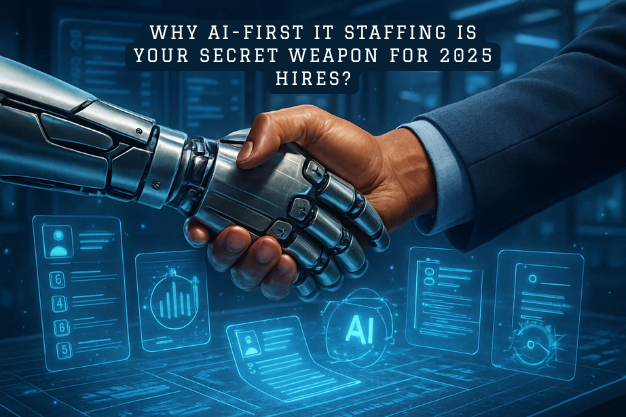
IT roles from AI/ML engineers to cybersecurity experts are in furious demand with far fewer candidates available. Traditional hiring pipelines can’t keep up. An AI-first staffing approach changes everything: smart software tackles grunt work, spotlights hidden talent, and even combats bias. The result? Faster hires, better fits, and recruiters freed to do what they do best.
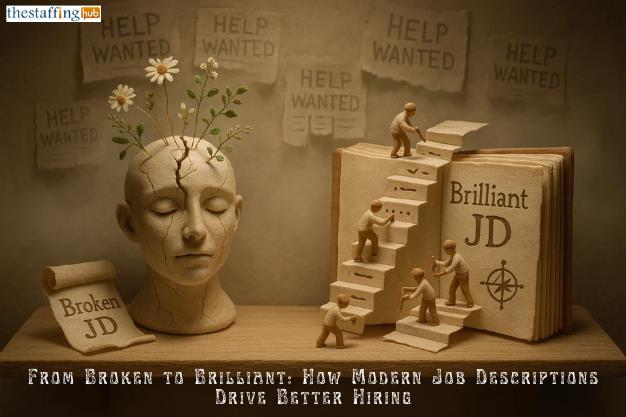
The hiring process often starts and ends with the job description. Yet too many staffing agencies and HR teams still rely on outdated, generic posts that leave candidates confused and recruiters frustrated. Vague or incomplete job descriptions invite the wrong applicants, bog down hiring timelines, and even hurt retention. According to industry research, “vague or generic job descriptions tend to attract unqualified applicants, leading to confusion and wasted time for both candidates and hiring managers”. In short, a broken job posting makes for a broken hiring process: staffing costs climb, time-to-fill stretches out, and quality-of-hire suffers.
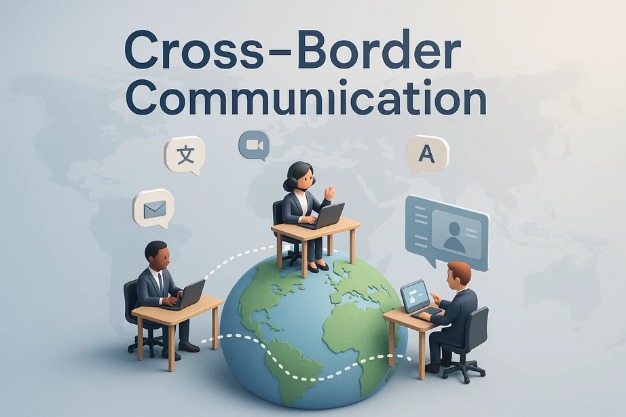
Today’s US companies often tap international talent, creating cross-border teams. In this global setup, effective communication is critical. Experts emphasize that “understanding and bridging cultural differences is crucial” for productive multinational teams. By proactively addressing language gaps, time zones, and cultural norms, organizations can turn global diversity into a strength.
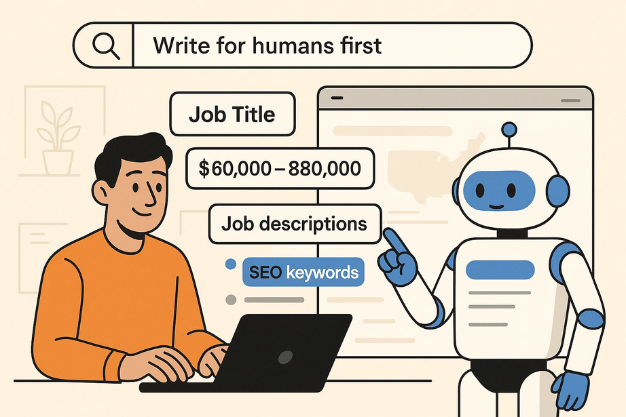
Job ads today often read like legalese and jargon “fast-paced”, “self-starter” clichés that make eyes glaze over. The reality is most job postings are a snoozefest: they bury key facts under corporate fluff. At The Staffing Hub we believe it’s time to flip the script. Start by writing for people job seekers want to see right away if this role is for them. Then layer in SEO and ATS-friendly details so your posting also “speaks robot” second. By leading with what candidates care about, you’ll boost clicks and applications, and still tick all the boxes for search engines and AI recruiting tools.
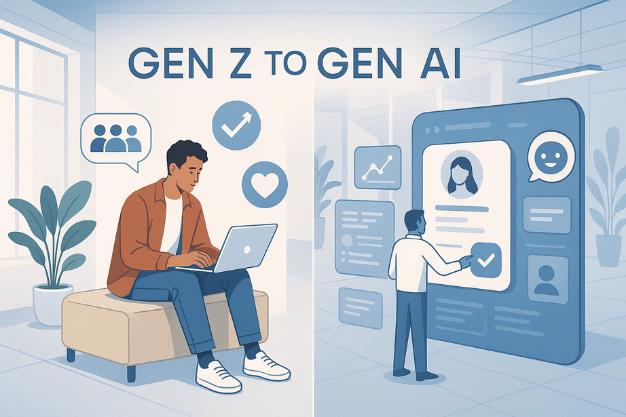
Staffing agencies in the U.S. are undergoing a dual transformation as Generation Z enters the talent pool and generative AI tools reshape recruiting. Already about 18% of the U.S. workforce, Gen Zers bring fresh expectations to the workplace. They want more than a paycheck instead prioritizing purpose-driven work and social impact (86% say a sense of purpose is key to satisfaction). They also demand modern, tech-enabled hiring experiences and workplace flexibility. To win this generation’s interest, firms are emphasizing collaborative, data-driven cultures (for example, showcasing teamwork and transparent metrics to appeal to young candidates). At the same time, agencies are rapidly adopting AI-based tools to streamline hiring. Recent industry reports show about 61% of U.S. staffing firms already use AI in recruiting (up from 48% a year ago), and roughly three-quarters plan to deploy it by year’s end. These trends Gen Z’s values and the rise of “Gen AI” intersect: firms must blend human-focused culture with smart technology to stay competitive.
The U.S. labor market in mid-2025 remains relatively strong: unemployment is around 4.1% and about 147,000 jobs were added in June. However, growth is concentrated in a few industries. Healthcare, social assistance, and government accounted for the majority of June’s job gains, signaling strong hiring in medical and care sectors. Construction and logistics also saw notable job growth (e.g. +15,000 construction jobs in June and +2.4k in warehousing). These trends point to especially high demand for roles in healthcare, technology, logistics, skilled trades, and services this summer.
Beyond the Dress Code: What Blue Collar vs. White Collar Really Means Today
Applicant Tracking Systems (ATS) are specialized HR software that automate and streamline every stage of recruitment. Today, virtually every large employer relies on ATS technology: studies show nearly 99% of Fortune 500 companies use an ATS, and 93% of recruiting professionals now employ an ATS in their hiring processes. Importantly, this trend spans organizations of all sizes. About 60% of small businesses in the U.S. now use ATS software, and nearly half plan to invest in recruiting tech this year. In short, ATS platforms have become core infrastructure for staffing agencies, in-house HR teams, and small business owners alike, helping them save time and hire smarter.
In today’s competitive U.S. job market, recruiters at staffing agencies and in-house talent teams must make every message count. Unfortunately, candidates are bombarded with dozens of outreach emails and InMails each week, so cookie-cutter or unfocused messages get ignored. At The Staffing Hub, we see how a single misstep in wording or tone can turn off top talent. This post walks through the most common recruitment messaging mistakes from LinkedIn notes and emails to job ads and chatbots and how to correct them. By personalizing, simplifying, and optimizing your outreach, you’ll engage candidates more effectively and stop losing great talent.
For HR and recruiting teams, 2025 is expected to be a year of rapid transformation. Everything from hiring to culture will change as a result of new technologies and changing employee expectations. The main trends and professional forecasts that American human resources professionals should be aware of will be discussed in this blog. We provide the information and insights you need to stay ahead of the curve in areas like skills-based hiring, hybrid work, AI-driven recruiting, data analytics, and well-being.
Recruiting in 2025 looks very different and the data tell the story. From soaring AI adoption to shifting candidate behavior and a booming gig workforce, the latest U.S. hiring statistics highlight what staffing agency leaders and HR tech teams need to know. Below are the most surprising and impactful recruitment trends for 2025, with a quick take on what each means for talent leaders
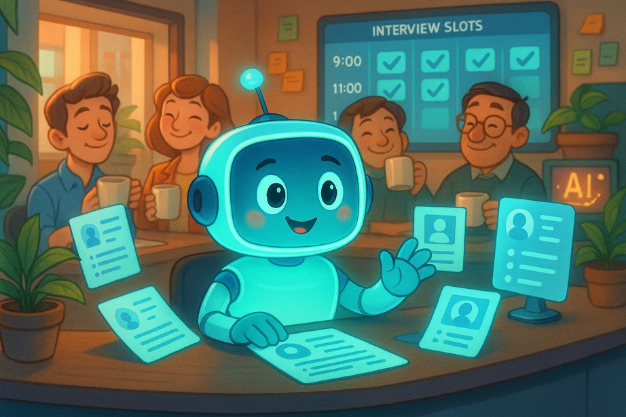
Generative AI-powered chatbots are transforming recruitment by automating routine tasks at scale. Today’s staffing agencies face overwhelming applicant volumes – the typical job can see 70+ applicants (over 100 in tech or hospitality roles). At the same time, nearly 99% of hiring managers now use some form of AI in hiring, up from a few early adopters. Generative AI chatbots (think ChatGPT-like assistants) help sift through this flood of candidates. They can “converse” naturally with applicants: answering FAQs, asking prescreen questions, scheduling interviews, and more, all without tiring. By handling these predictable tasks, chatbots free recruiters to focus on high-value work and strategy (as LinkedIn found, 41% of talent pros believe AI will significantly improve hiring).
Organizations entering 2025 face a dynamic labor market. US unemployment is historically low about 4.2% in mid-2025 even as labor force participation remains below pre-pandemic levels (around 6263%). Job openings have fallen sharply from their 2022 peak; in April 2024 there were ~8.8 million vacancies (about 1.3 jobs per unemployed person). This tight market means employers must compete aggressively for talent. Experts note that job quits and layoffs are also down (quits ~2.1%, layoffs ~1.0%), indicating many workers are choosing stability. In practice, this shifts focus from hiring fever to retention and internal mobility.
In 2025, staffing agencies are racing to adopt cutting-edge technology to stay competitive. Industry reports confirm this is a tipping point: firms focusing on automation and AI across recruitment are seeing twice the revenue growth of their peers. According to Bullhorn’s 2025 trends report, “top-performing firms are 57% more likely to be in advanced stages of digital transformation” by automating everything from sourcing to on boarding. AI is now mainstream platforms like Sense and HireVue are streamlining hiring, and 67% of agencies have bought or are testing generative AI tools this year.
Staffing agencies today need more than just cold calls to grow they need a robust SEO strategy that speaks to both employers and job seekers. Imagine your website as a storefront: SEO opens the door, and great content convinces visitors to stay. To attract both clients (companies seeking talent) and candidates (job seekers), a staffing agency must target the distinct search intents of each group. This dual-audience approach means optimizing for industry-specific keywords (e.g. “tech staffing agency” or “healthcare recruiting firms”) and candidate-focused terms (“IT jobs near me” or “travel nurse positions”) simultaneously.
Businesses now have unmatched options for recruitment. On one side are freelance sites like Fiverr and Upwork, which give millions of independent workers instant access. On the opposite side are staffing firms, conventional talent partners that locate, screen, and oversee workers for their customers.
In 2025, diversity, equity, and inclusion (DEI) are no longer optional - they are strategic imperatives for staffing firms. Research shows that companies with diverse leadership enjoy significantly better performance, and global bodies (like the World Economic Forum) now count equity and accessibility as pillars of sustainable growth. Staffing agencies, which recruit millions of workers, are uniquely positioned to drive inclusion: as the American Staffing Association notes, they “uniquely embrace America's diversity,” employing people of every race, gender, age, religion, and ethnicity.
By 2025, skills-based hiring is remaking the U.S. talent market. Younger workers (especially Gen Z) are pushing companies to look beyond degrees and emphasize real skills. Data show 82% of 25–34 year olds even prefer a skills-focused hiring process. Leading HR experts note that focusing on skills (not just pedigree) can multiply candidate pools – for example, LinkedIn data finds a skills-first approach can expand qualified talent pools by roughly 10×. This shift is already fueling a boom in inclusive, agile recruiting. Staffing firms like The Staffing Hub are at the forefront, using data-driven screening and broad sourcing to match the right skills to each role (see sidebar).
The way U.S. businesses hire in 2025 has evolved dramatically—and AI isn't just part of the process; it powers it. Amid increasing pressure to hire faster, reduce bias, and attract top talent from broader geographies, staffing agencies are turning to artificial intelligence to stay competitive.
Remember when remote work was a "temporary fix"? That ship has sailed. In 2025, remote and hybrid work models are now core to how America works. And staffing agencies? They've gone from just "filling jobs" to becoming remote workforce architects, matching the right talent with the right companies, without office walls in between.
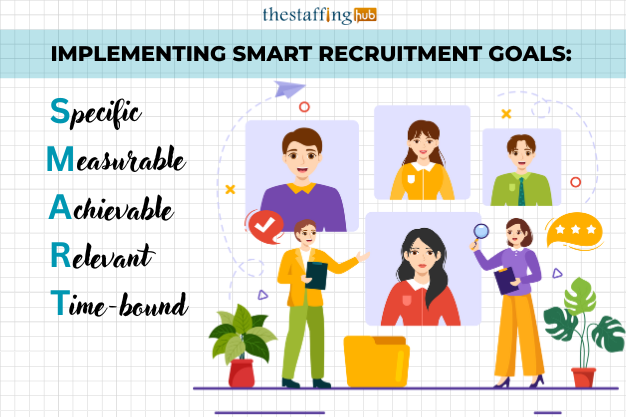
Recruitment has evolved beyond simply filling vacancies—it has become a critical business function that directly impacts an organization's growth, performance, and long-term success. However, many companies still struggle with inefficient hiring processes, leading to extended time-to-fill, poor candidate quality, and high turnover rates. In today's candidate-driven job market, where competition for top talent is fierce, …
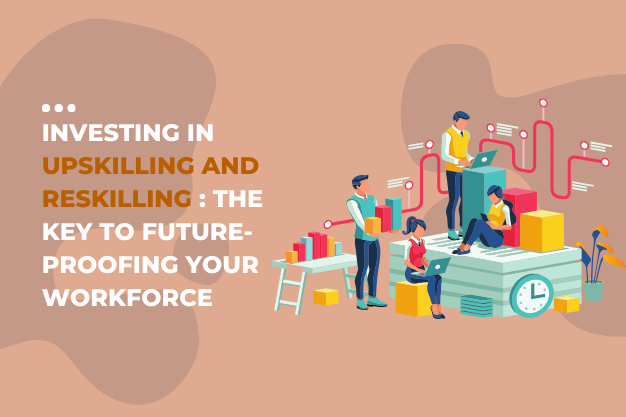
Why Stopping Stagnant Is Not a Choice Anymore? Do you remember the time when a degree was sufficient for life? Those days are long gone. Job opportunities are expanding at an unprecedented rate, and sectors such as IT and Healthcare are experiencing a surge. "A skill that is in high demand occurs one year, …
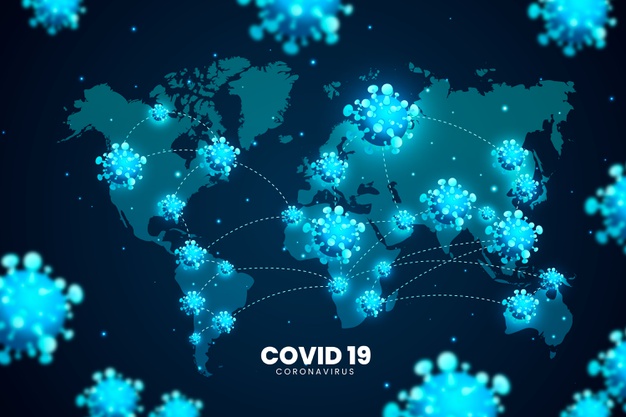
Covid-19 or novel coronavirus is surely letting the world kneel at its feet. It is undoubtedly the biggest worldwide issue we have to endure. No wonder why the business and Staffing Agencies are putting their best effort to maintain the nationwide economy and offer relief in the times of pandemic. Let’s see how staffing …
Coronavirus Disease (COVID-19), a highly contagious one, is spreading rapidly across the globe, taking the lives of thousands of innocent people. Hospitals have been running out of the staff to serve patients detected as Corona-positive. With an increase in such cases in the U.S., staffing companies are more inclined towards fielding jobs for healthcare …
Finding a job remains a huge challenge for Job Seekers at the entry-level. Resumes, interviews, and salary negotiations take the precious time of job seekers and companies involved in an offer. However, some job seekers rely on a Staffing Agency to find a better job opportunity at an entry-level. Job seekers can find a …
Statistics found on the web suggests that sixteen million Americans have landed a job through an employment or staffing agency. It is reliable evidence that staffing agencies can boost people’s careers. According to the American Staffing Association, a Staffing Agency can make 9 out of 10 people more employable. It is a smart move …